

Blog
Five Plastics Finder tips to search materials like a pro
Within the world of engineering plastics, finding the right plastic for demanding technical applications can be a challenge. You can spend hours searc...
By Martin Burg
Advanced Development Expert, Envalior
Power tool users expect more from every new generation. Higher torque, longer runtime and compact size are now standard requirements. This creates a design puzzle: how do you increase performance when thermal limits and available space work against you?
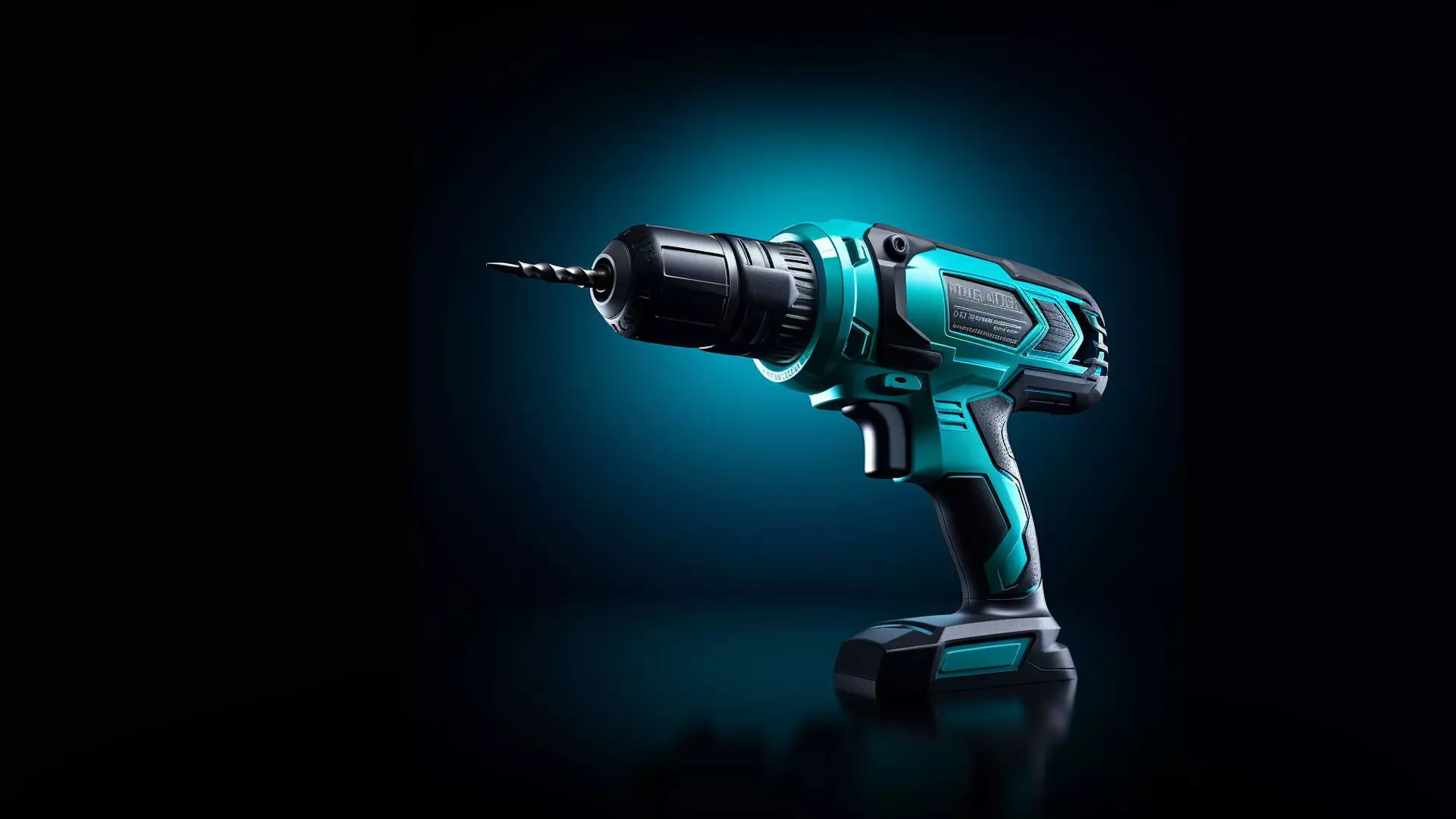
Inside every motor, insulation plays a bigger role than many realize. It protects the windings, but it also determines how much copper you can place in the slots and how effectively thermal energy is dissipated from the system. When the insulation becomes thinner, these two factors shift in your favor.
Your motor’s output depends heavily on how much copper you can fit into the stator slots. Every fraction of a millimeter taken by insulation reduces the available space for windings. Traditional materials such as PA66 or PBT typically require insulation walls around 0.4 to 0.5 millimeter. These are proven, but they limit copper fill and increase thermal resistance.
Thinner insulation allows more active material in the same geometry. The challenge is to find a material that maintains stable mechanical and electrical performance at elevated temperatures and can be processed into thin, dimensionally precise structures.
Modern brushless motors run hotter than ever, especially at high speeds and under continuous load. In these conditions, conventional materials approach their mechanical limits. When insulation softens or deforms, winding stability and long term reliability are put at risk.
To give you more freedom in compact designs, you need an insulation material that withstands high temperatures, maintains strength under stress and allows consistent thin wall molding.
Stanyl® PA46 offers a combination of properties that make thin wall insulation practical in demanding power tool motors. Its molecular structure provides:
These characteristics allow you to reach insulation thicknesses around 0.25 millimeter while maintaining reliability.
A reduction from 0.5 to 0.25 millimeter creates enough extra room to consider a thicker wire gauge. Even a small increase in wire diameter can raise the copper cross section significantly, lowering the electrical resistance. The result is a e-motor that can:
Better heat transfer is an additional benefit. Thinner insulation shortens the thermal path, allowing heat from the windings to reach the stator steel more efficiently. Compared with paper based systems, PA46 also benefits from higher thermal conductivity due to its consolidated structure.
You need a material that performs reliably, not only in application, but throughout the manufacturing process. Stanyl® PA46 offers exceptional flow, enabling strong weld lines and stable processing even in very thin sections. The good weld line strength will result in a low scrap rate during the winding process.
For applications where sustainability targets matter, PA46 grades without PFAS and options with reduced environmental impact are available, supporting your long term compliance goals.
By incorporating Stanyl® PA46 in your motor insulation design, you can:
These advantages help you meet user expectations for smaller, lighter and more capable tools.
If you want to re-evaluate your insulation approach or explore what thinner walls could mean for your motor design, we invite you to learn more.

Martin Burg is an Advanced Development Expert in Electricals with a solid foundation in engineering innovation. He holds a Master of Science in Mechanical Engineering from RWTH Aachen University. Since 2018, he has worked in global application development, recently focusing on advancing electrical applications and driving technology development across international projects.
Within the world of engineering plastics, finding the right plastic for demanding technical applications can be a challenge. You can spend hours searc...
The U.S. Environmental Protection Agency (EPA) is raising concerns about fluorination processes used in high-density polyethylene (HDPE) fuel tanks, c...

The Ahrend Remode is the most sustainable office chair yet—it is lightweight, modular, and made of recycled and recyclable materials. The chair’s stru...