
Blog
5 reasons why you should consider Akulon® RePurposed for your next product design
Sustainability is becoming increasingly important as we – manufacturers and consumers – recognize its significance for future generations. Many manufa...
By Candace Roulo
Global Media Relations Manager & Copywriting
The Ahrend Remode is the most sustainable office chair yet—it is lightweight, modular, and made of recycled and recyclable materials. The chair’s structural seat components, backrest mechanism and the star base are manufactured from our Akulon® RePurposed, a versatile, high-performance polyamide, made from recycled fishing nets. The mechanical recyclate from ghost fishing nets closes Remode’s value chain designed for recycling and reduces CO2 emissions.
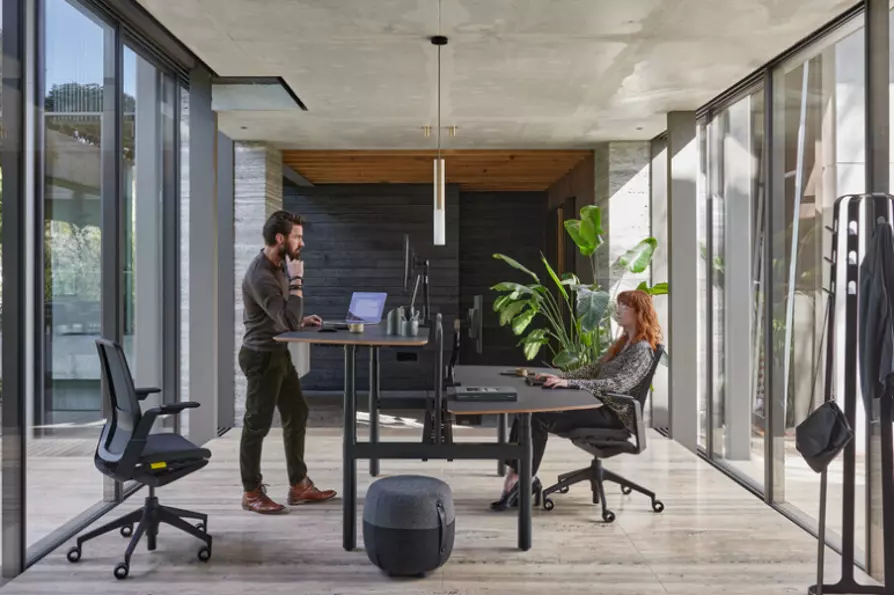
It all started with the question: "Can we make an office chair that achieves optimal sustainability across the entire value chain, is recyclable, lightweight, and still offers all the comfort needed for working comfortably?" The answer is yes, and the new Remode office chair from Royal Ahrend, a Dutch, globally active producer of products for a vitalizing work environment, was created.
Built according to circular design principles, the Ahrend Remode is the most sustainable office chair yet. The chair is lightweight, modular, and made from recycled and recyclable materials. The chair's structural seat components, backrest mechanism, and the star base are made from Akulon® RePurposed, a versatile, high-performance polyamide, made from recycled fishing nets. The mechanical recyclate from ghost fishing nets closes Remode’s value chain designed for recycling and reduces CO2 emissions.
The chair weighs just 15 kilograms and more than two-thirds of its weight is attributed to Envalior’s 30% glass fiber-reinforced recyclate Akulon® RePurposed RE30, offering a superior mechanical property profile. Akulon® RePurposed RE30 contains a minimum of 62% recycled content, consisting of 50% ocean-bound plastic and 12% pre-consumer recycled content.
"By using this sustainable material, we can close the Remode value chain, which is designed for recycling, and reduce our CO2 emissions,” said Arnoud Vlieger, Head of Product Development at Ahrend. “In addition, the material enables a lightweight component solution with high material efficiency, which also contributes to lower CO2 emissions."
A special feature of the chair design is that almost all parts are plastic—the backrest, seat, cross-base, armrests and even the synchro-motion mechanism. The weight adjustment mechanism is quite complex, and it has not yet been implemented in plastic often.
Ahrend found that we are the best partner for the project because we can supply the appropriate, high-quality material—a strong, recycled, and recyclable plastic. One of the strengths of the recyclate, which is reinforced with 30% short glass fibers, is its superior mechanical property profile.
"Our material doesn't need to shy away from comparison with virgin material upon proper application,” explained Dr. Dannie van Osch, Business Development Manager of Specialties at Envalior. “Its stiffness, strength and toughThe strength is so high that it can even be used to construct structural components of the seat, the backrest mechanism, and the star base, which are subject to high static and dynamic loads. This has helped make the Remode lighter.
A hallmark of all Ahrend furniture is its modular design, which allows the furniture to be repaired, extending its lifespan. At the same time, it is easier to disassemble the furniture so that the raw materials can be recycled as part of a circular economy. "This cradle-to-cradle philosophy, together with the eco-design of our furniture, is the basis of our circular product design and was the reason we chose Akulon® RePurposed for our Remode chair," explained Vlieger.
We provided Ahrend and other project partners with comprehensive support during the development of the office chair. In addition to offering advice on material selection, we also helped determine the optimal processing parameters for injection molding the components from Akulon® RePurposed.
"We helped establish a stable and material-friendly production process that allows for efficient and cost-effective manufacturing with good surface quality of the plastic parts," said Van Osch.
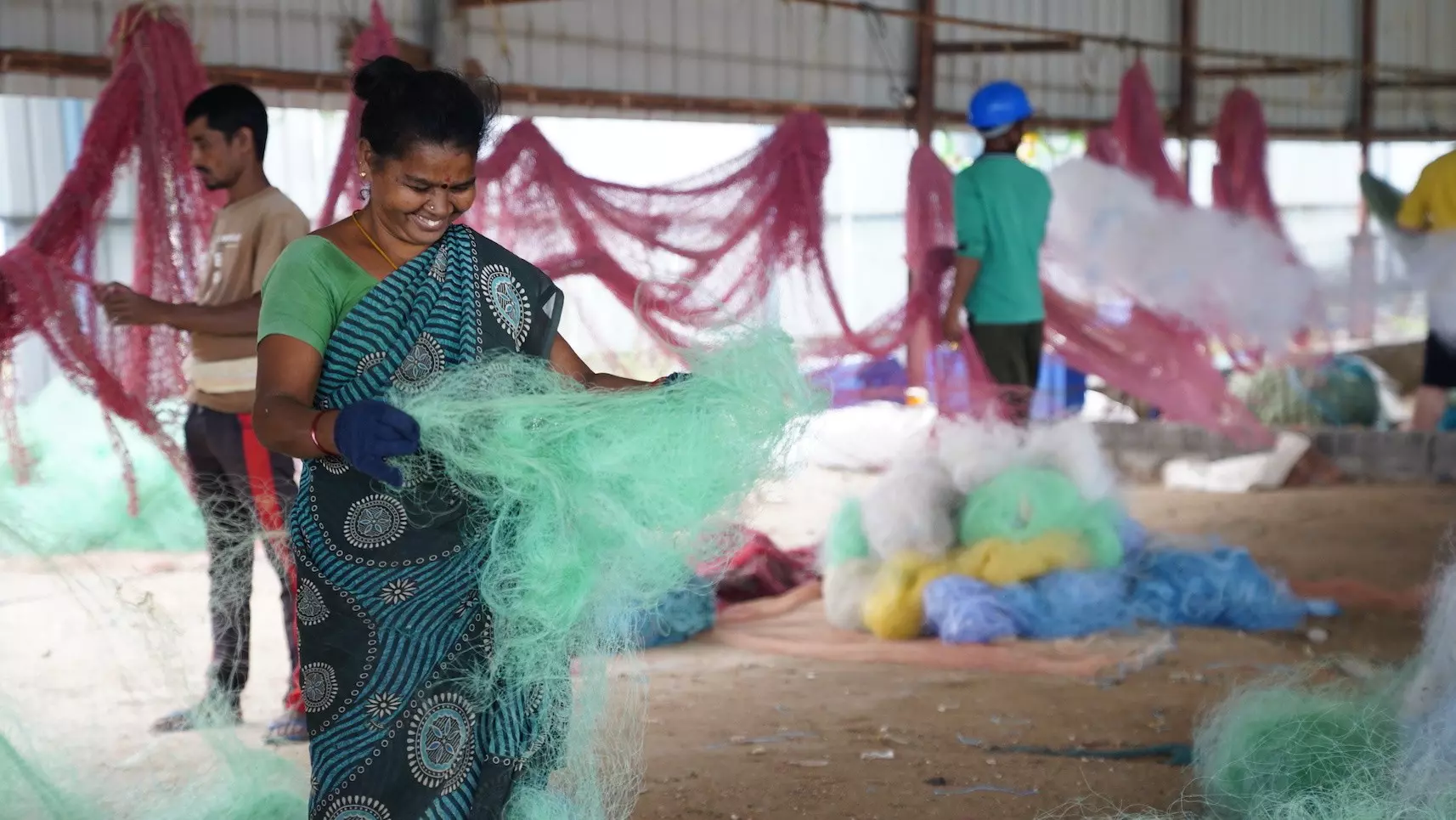
Currently, we collect and recycle more than 3,000 tons of polyamide 6 ghost fishing nets that accumulate in coastal regions of India. The company works closely with local partners to achieve this. The nets are cleaned, sorted, shredded, mixed with post-industrial waste, and extruded into Akulon® RePurposed regranulate.
"In this way, we protect the marine environment and also contribute to social welfareby creating jobs and strengthening the local economy," said van Osch.

Candace Roulo is Global Media Relations Manager & Copywriting for Envalior. Based in Troy, Michigan, she specializes in writing blogs, press releases and articles about advanced materials solutions. Prior to joining Envalior, Candace served in editorial roles at SME and Penton Media. Candace earned her bachelor’s degree in communication, specializing in public relations, at Michigan State University’s College of Communication Arts and Sciences.
Sustainability is becoming increasingly important as we – manufacturers and consumers – recognize its significance for future generations. Many manufa...
At Auto Expo 2025, Envalior showcased its automotive materials, setting a new benchmark at the intersection of sustainability, performance, and innova...
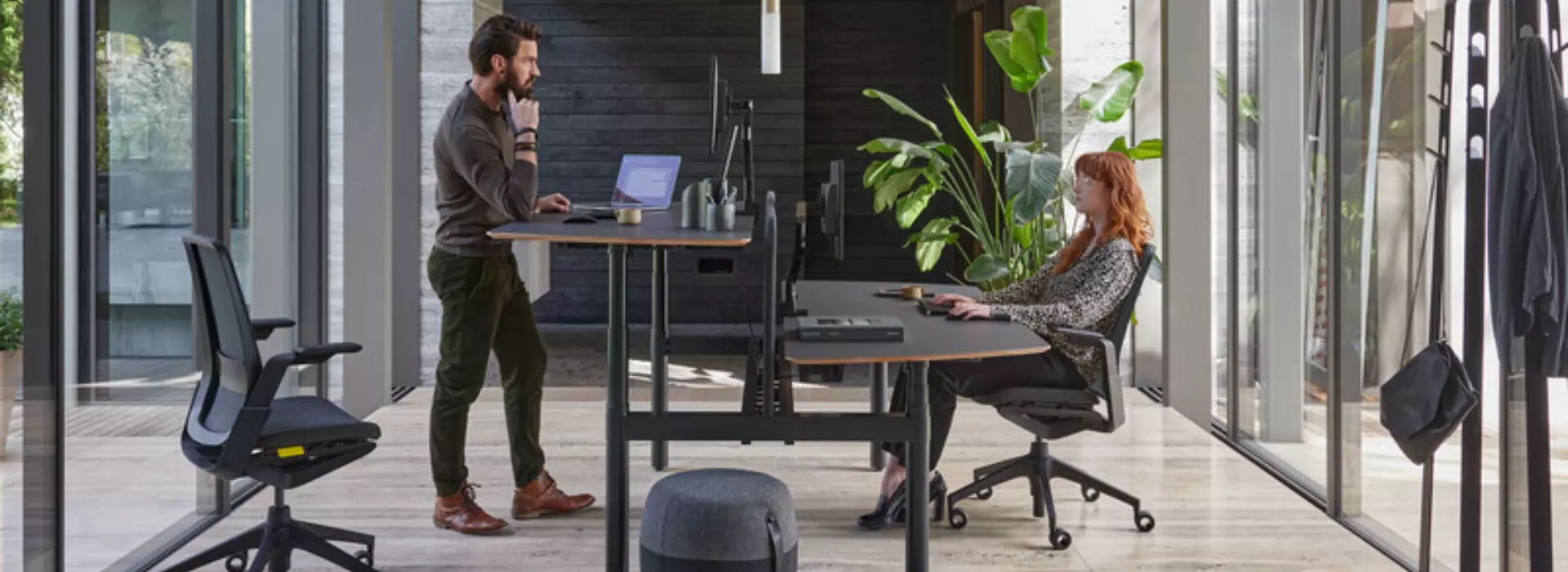
Envalior today announces it has supported the Dutch based manufacturer Ahrend to deliver Remode, a sustainable office chair. The chair’s structural se...