
Blog
Advanced materials enhance fuel cell performance and reliability
The global automotive industry is undergoing a profound transformation, driven by the adoption of advanced technologies and a push for electrification...
By Bert Keestra
Application Development Engineer
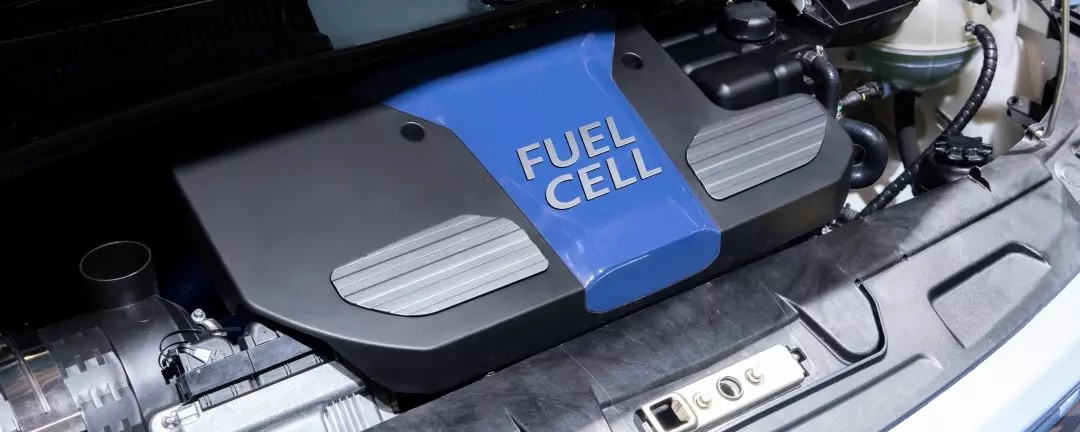
As zero-emission regulations tighten and consumer demand for clean transportation grows, the automotive industry is turning to hydrogen-powered fuel cells. These fuel cells solve performance challenges posed by battery-electric vehicles (EVs) but require lightweight, cost-effective hydrogen tanks that meet stringent safety and durability standards.
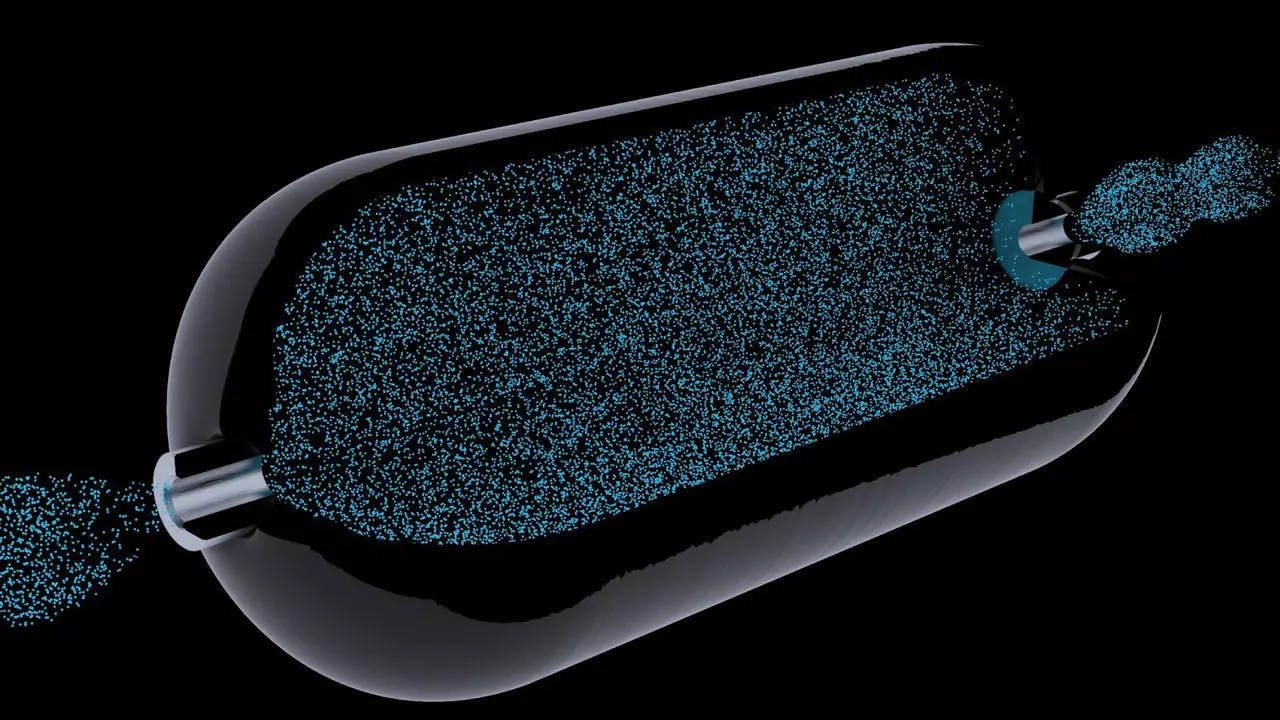
Hydrogen fuel cells are a critical component in the shift toward clean-energy transportation, offering fast refueling, extended driving ranges, and zero emissions. Yet, the adoption of hydrogen vehicles has long been hindered by the weight and cost of traditional steel and aluminum pressure tanks. These heavy materials reduce vehicle load capacity and fuel efficiency, making them less competitive in an increasingly eco-conscious market.
To overcome these barriers, manufacturers are shifting to engineering thermoplastics. Advanced materials can streamline designs, cut production costs, and reduce the weight of type IV hydrogen tanks by up to 70%. However, the chosen materials must meet strict performance requirements, including resistance to:
While high-density polyethylene (HDPE) is often used, it requires thicker walls to meet permeation standards and is prone to blistering. Standard PA6 offers a cost-effective alternative but becomes brittle at sub-zero temperatures, limiting its reliability. To address these challenges, manufacturers must select materials that balance cost, performance, and regulatory compliance.
Envalior introduced Akulon® Fuel Lock and Durethan® to meet the growing need for lightweight, sustainable hydrogen tanks. This advanced PA6 material is designed specifically for type IV pressure vessels, providing a host of benefits:
Akulon Fuel Lock and Durethan surpasses HDPE and PA11 with their unique chemical structure. It provides a higher safety margin under thermal stress, excelling at temperatures up to 85°C. Fast fill testing in environments as cold as -40°C confirms that Akulon Fuel Lock and Durethan maintain their integrity, making it an ideal choice for vehicles operating in extreme conditions.
One of the standout features of Akulon Fuel Lock and Durethan is their compatibility with multiple manufacturing processes, including injection molding, blow molding, roto-molding, and tube extrusion. This versatility allows manufacturers to incorporate the material into existing production lines with minimal adjustments, saving costs and reducing complexity.
Its processing capabilities also enable the creation of light, thin-walled designs, cutting curing times during the production of composite layers. Envalior enhances these efficiencies with hands-on computer-aided engineering (CAE) support, including tools for predicting permeation behavior and optimizing tank designs.
At Envalior, we are dedicated to accelerating the transition to sustainable transportation. By working closely with automotive manufacturers and OEMs, we ensure our material solutions address their toughest design, cost, and performance challenges. Together, we are building a future defined by innovation, eco-friendly solutions, and zero-emission transportation.
Discover how Akulon® Fuel Lock and Durethan® can transform your hydrogen tank production. Contact us today or visit plasticsfinder.envalior.com for more information.

Bert Keestra studied chemical engineering at the Technical University Eindhoven (TU/e) in the Netherlands. After he completed a PhD in polymer technology at the same university, he started working at Envalior in the corporate research department of materials science. In 2010 he transferred to the business unit Engineering Materials as product development specialist and later as application development engineer, focusing on composite pressure vessels.
The global automotive industry is undergoing a profound transformation, driven by the adoption of advanced technologies and a push for electrification...
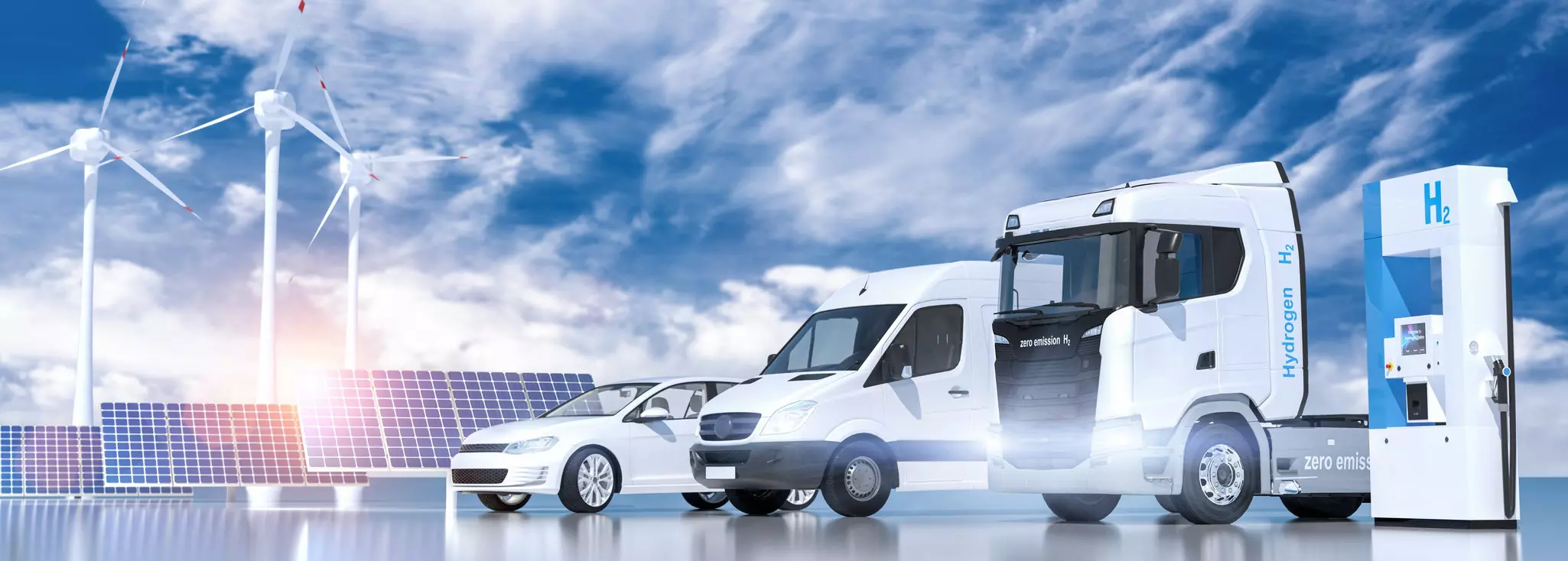
Governments are pushing for lower fossil fuel emissions, accelerating the adoption of electric solutions. Hydrogen-powered proton exchange membrane fu...
As the shift to electric vehicles (EVs) accelerates, hydrogen fuel cell technology offers a transformative solution for sustainable transportation. Un...