

Insights
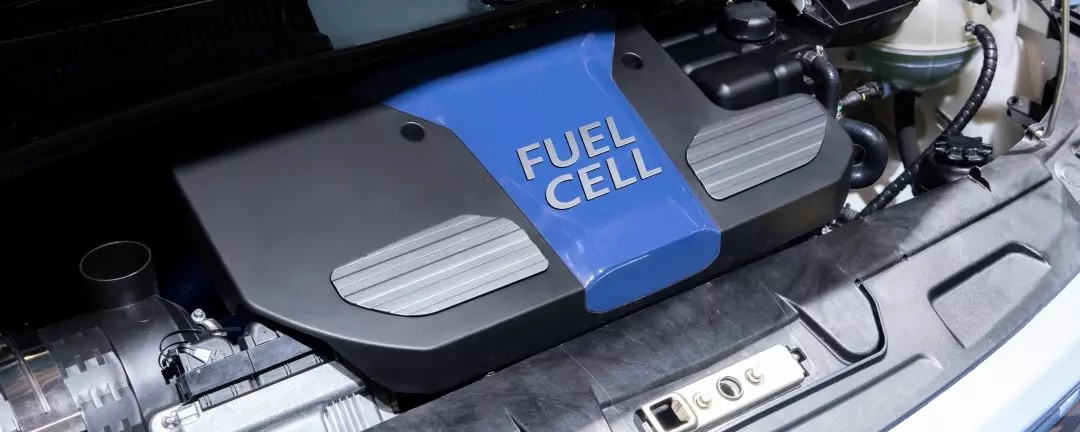
Advanced materials enhance fuel cell performance and reliability
The global automotive industry is undergoing a profound transformation, driven by the adoption of advanced technologies and a push for electrification. While lithium-ion batteries dominate the market, fuel cell technology is rapidly emerging as a viable alternative. Hydrogen fuel cells, particularly proton exchange membrane fuel cells (PEMFCs), are crucial for achieving zero-emission mobility. Fuel cells provide distinct advantages over battery-powered EVs. However, building reliable and efficient fuel cells requires addressing challenges such as minimizing ion leaching, ensuring hydrolytic resistance, and maintaining mechanical integrity under extreme conditions.

Lightweight, cost-effective hydrogen tanks for clean vehicles
As zero-emission regulations tighten and consumer demand for clean transportation grows, the automotive industry is turning to hydrogen-powered fuel cells. These fuel cells solve performance challenges posed by battery-electric vehicles (EVs) but require lightweight, cost-effective hydrogen tanks that meet stringent safety and durability standards.
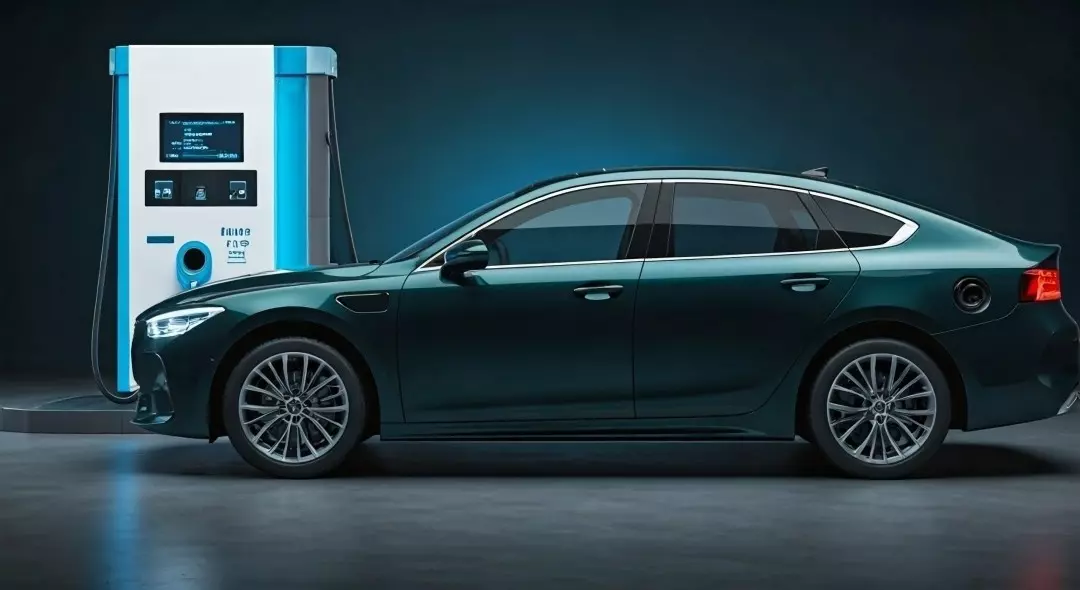
Hydrogen fuel cell EVs: a key to decarbonizing transportation
As the shift to electric vehicles (EVs) accelerates, hydrogen fuel cell technology offers a transformative solution for sustainable transportation. Unlike BEVs, hydrogen fuel cell vehicles (FCEVs) provide zero emissions, fast refueling, and extended range, making them ideal for heavy-duty and long-range travel. The Hydrogen Council highlights hydrogen’s role in decarbonizing the economy, with advancements in storage and fuel cell technology critical for realizing its potential.