
Blog
Specialty polymers enable lead-free, high-performance plumbing components
As global regulations and market demands evolve, plumbing system manufacturers face increasing pressure to develop lead-free, high-performance compone...
By Dan Knapp
Business Development Manager, Envalior
Certification for food and water contact materials is now a baseline expectation rather than a differentiator, as engineers routinely specify certified materials. However, as systems grow more complex and performance demands increase, it’s becoming clear that certified materials can behave differently in real-world conditions. The focus of innovation is shifting toward materials that not only meet regulatory requirements but also deliver consistent, long-term performance in demanding food and water applications.
Two materials may both meet regulatory requirements, yet differ dramatically in how they handle long-term water exposure, aggressive cleaning agents, thermal cycling, or sustained mechanical stress. Regulatory compliance typically verifies extractables and toxicological safety under defined conditions, but those conditions often represent controlled, short-duration tests rather than years of cyclic exposure in real systems.
Over time, hydrolysis can reduce molecular weight and embrittle polyesters. Repeated exposure to chlorinated or alkaline cleaning agents can accelerate chemical attack. Thermal cycling can drive differential expansion, stress cracking, or creep deformation under load. Water absorption can shift dimensional tolerances or alter dielectric performance.
These degradation mechanisms rarely appear on a standard datasheet, yet they absolutely appear in the field through premature wear, microcracking, leakage paths, loss of clamp force, reduced pressure resistance, or components that slowly drift out of specification.
That’s why the conversation is shifting from “Is it certified?” to “Is it engineered to remain compliant and mechanically stable over its entire service life?”
Certification ensures regulatory acceptance at the start. It does not inherently guarantee hydrolytic stability, chemical resistance to real-world sanitizers, long-term creep resistance at elevated temperatures, or retention of properties after thousands of hours of conditioning.
In food and water contact systems, where safety, uptime, liability exposure, and brand trust are on the line, that distinction becomes critical.
You are no longer just selecting materials to pass an audit. You are selecting materials to survive sterilization cycles, pressure pulses, temperature swings, and years of continuous exposure without performance drift.
If you’re evaluating materials for upcoming designs, it is worth asking: Are your current choices protecting your timeline, your product, and your reputation, or quietly putting them at risk?
When failures occur in food or water contact systems, they rarely stem from regulatory non-compliance. More often, they result from property drift over time due to creep, hydrolysis, stress cracking, or chemical attack that slowly compromises performance.
You need materials validated not only for extractables, but for lifecycle stability. That’s why suppliers, like Envalior, are raising expectations with fully certified FWA materials engineered for durability, chemical resistance, and long-term performance. These materials don’t just meet regulations, they remove friction from your development process.
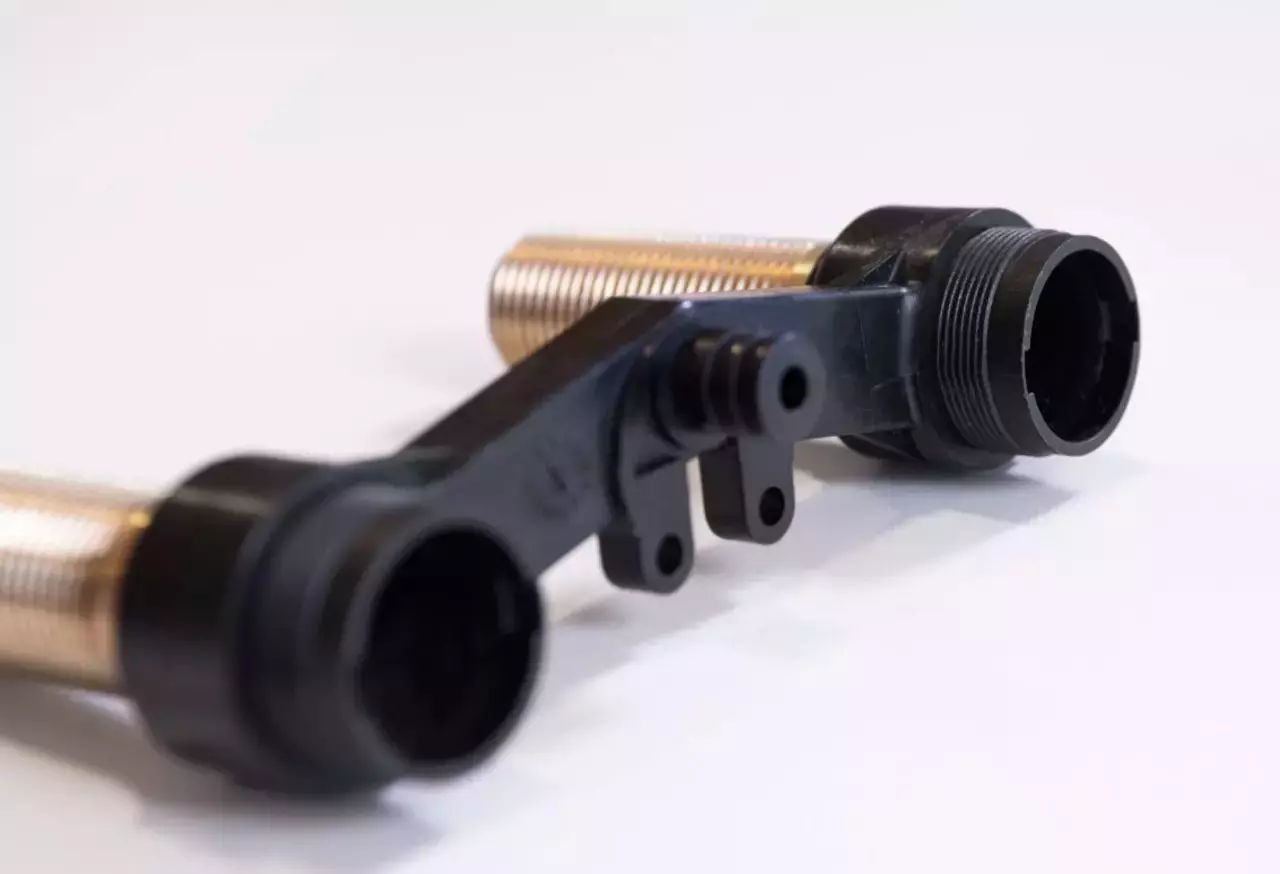
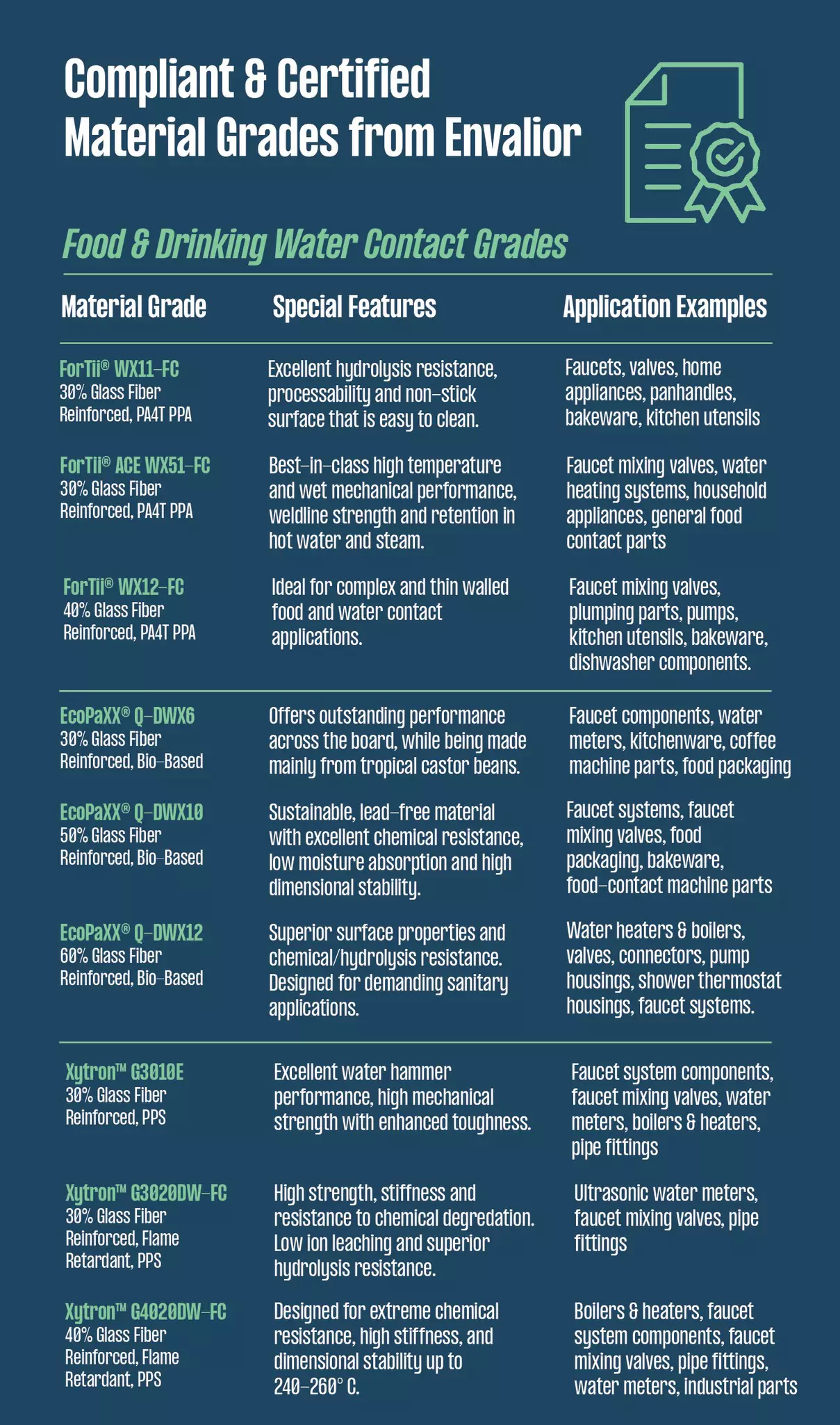
Envalior delivers a portfolio of certified polymer solutions engineered specifically to help you meet the demanding safety and manufacturing requirements of food and drinking water contact applications, including brass replacement.
These materials, offered under the ForTii®, Xytron™, and EcoPaXX® brand families, combine proven regulatory compliance with high performance, giving manufacturers reliable, future ready options for components that must withstand long term exposure, mechanical stress, and strict global standards.
Certified FWA materials gives you a clear edge in safety, reliability, and long term compliance. As global expectations rise, choosing proven solutions like ForTii®, Xytron™ and EcoPaXX® will help you reduce risk, avoid redesigns, and build stronger trust in food and drinking water applications.
Get instant answers to your material challenges

As a Business Development Manager, Dan Knapp is focused on advancing Specialty Materials for food, water, and appliance applications. Since entering the plastics industry in 2014, he has held roles in both R&D and customer‑facing functions, giving him a broad understanding of materials development and end‑market needs. He holds a Bachelor of Science degree in Chemical Engineering from the University of Pittsburgh and a Plastics Technology & Engineering Certificate from the American Injection Molding Institute.
As global regulations and market demands evolve, plumbing system manufacturers face increasing pressure to develop lead-free, high-performance compone...

The Ahrend Remode is the most sustainable office chair yet—it is lightweight, modular, and made of recycled and recyclable materials. The chair’s stru...
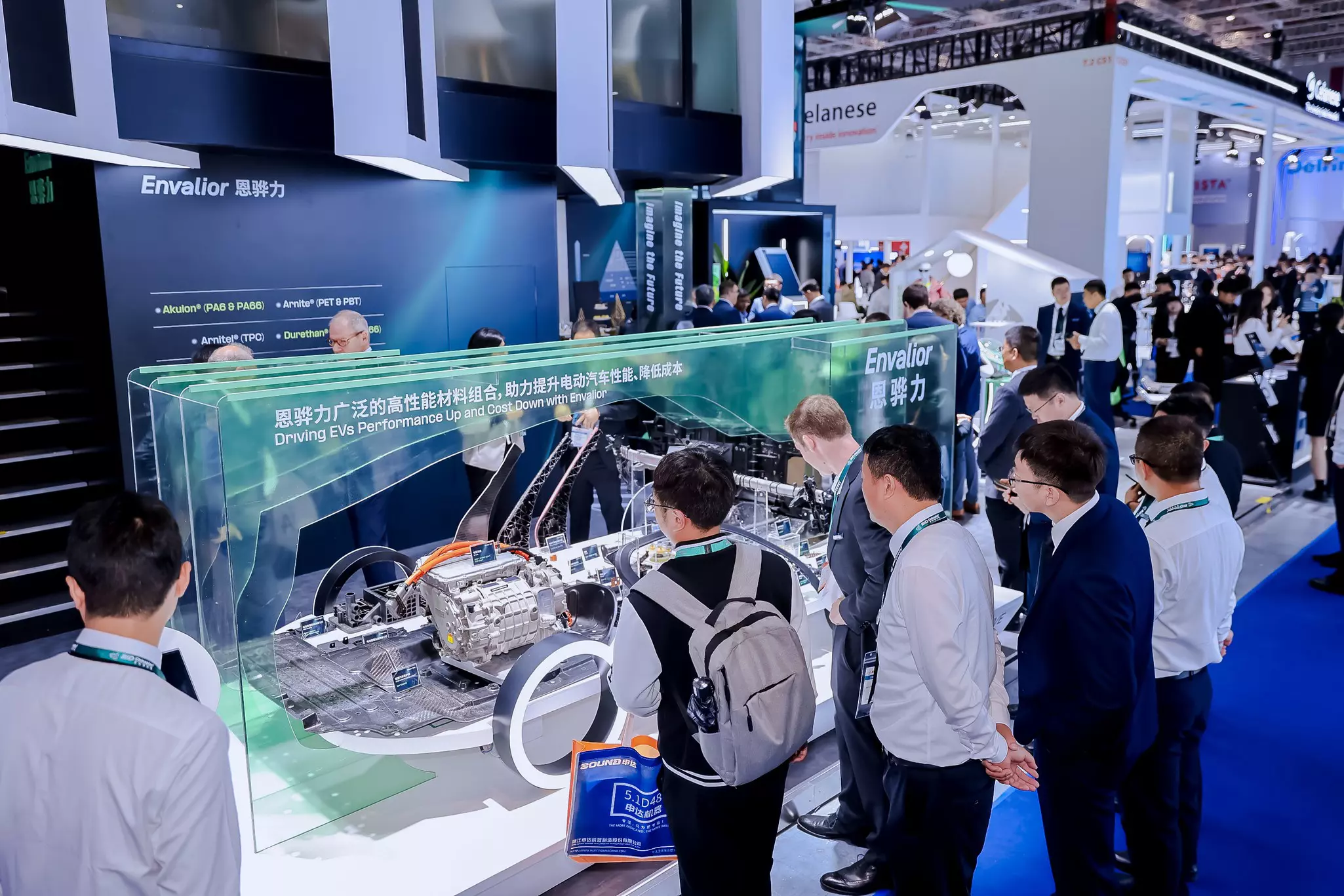
Envalior made its debut at Chinaplas 2024 in Shanghai, April 22-26. We showcased innovative applications at our booth, including lightweight automotiv...